Khamenei Calls on Muslim Nations to Unite Against 'Real Enemy' Amid Middle East War
Iran’s Supreme Leader Mojtaba Khamenei urges Gulf Arab monarchies and Muslim nations to unite against the 'real enemy', blaming the U.S. and Israel for the ongoing Middle East war.
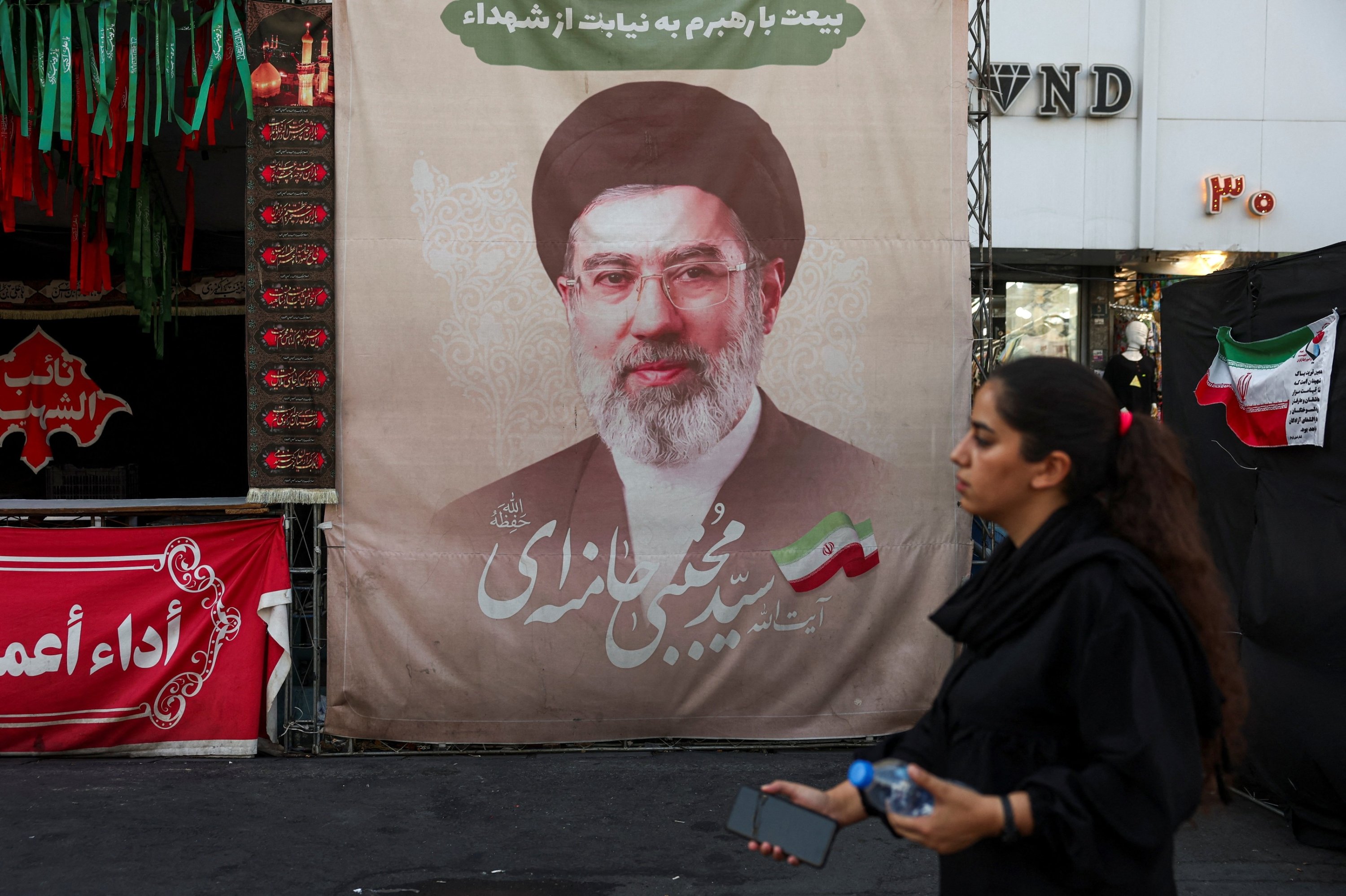
Iran's Supreme Leader Mojtaba Khamenei has called for unity among Muslim nations, particularly Gulf Arab states, to counter what he describes as the "real enemy" amid the ongoing Middle East conflict. The message, released during Islamic Unity Week, marks his latest public communication six months after the war began following U.S.-Israeli airstrikes that killed his predecessor, Ayatollah Ali Khamenei, in late February.
The younger Khamenei, who was reportedly injured in the same attack, has remained out of public view. Iranian authorities have not released any recent video or audio footage of him since his appointment as Supreme Leader. In his statement, he framed regional divisions as advantageous only to foreign opponents, questioning whether Palestinian suffering would persist if Muslim states were unified.
"The solution to the problems of the Islamic nations is unity of words, friendship, and cooperation on the path of goodness," Khamenei wrote in an official post on his website and Telegram account.
He further warned that any actions sowing discord among Muslims, regardless of intent, serve the interests of Islam's adversaries. His remarks specifically targeted Gulf monarchies, including Saudi Arabia, the UAE, Jordan, Kuwait, Qatar, and Bahrain, where relations with Iran have deteriorated following recent strikes on U.S. military facilities in the region.
"My emphatic and repeated recommendation to the rulers of Islamic countries, especially the countries of West Asia and the Gulf, is to identify your real enemy, understand his plan and confront it," Khamenei stated. He also questioned whether regional governments, if united under Islamic principles, would allow "rogues without identity" to encroach on their lands.
Since Iran's 1979 Islamic Revolution, Gulf Arab nations have viewed Tehran's revolutionary ideology, including its anti-monarchic stance and regional influence, as a threat to their political stability. The Sunday address followed a Friday statement where Khamenei emphasized domestic solidarity and economic resilience, urging Iranians to avoid internal divisions and advocating for gradual de-dollarization to counter U.S. sanctions and naval blockades.
"Again, this servant's advice to the Iranian people is to not allow any differences to arise among themselves in any way," he reiterated, echoing his earlier warning that actions undermining social cohesion are prohibited.
#Iran #Khamenei #MiddleEast #GulfStates #IslamicUnity #USIsrael #RegionalConflict #IslamicRevolution
Comments (0)
No comments yet — be the first to weigh in.

Israel's 2.6M Students Return to School Amid Education Reforms and Protests
Israel's 2.6 million students resume classes as the Education Ministry introduces financial literacy and AI reforms, amid teacher shortages and protests over militarization.

Earth's magnetic field can help archaeologists sniff out forged antiquities
Researchers at the University of California San Diego have developed a new method using Earth's magnetic field to help archaeologists distinguish between a...

US, Israel, and Palestine to Hold Three Elections in 32 Days – Global Stakes
Three key elections – U.S., Israel, and Palestine – will take place from Oct. 27 to Nov. 28, shaping domestic politics and international ties.
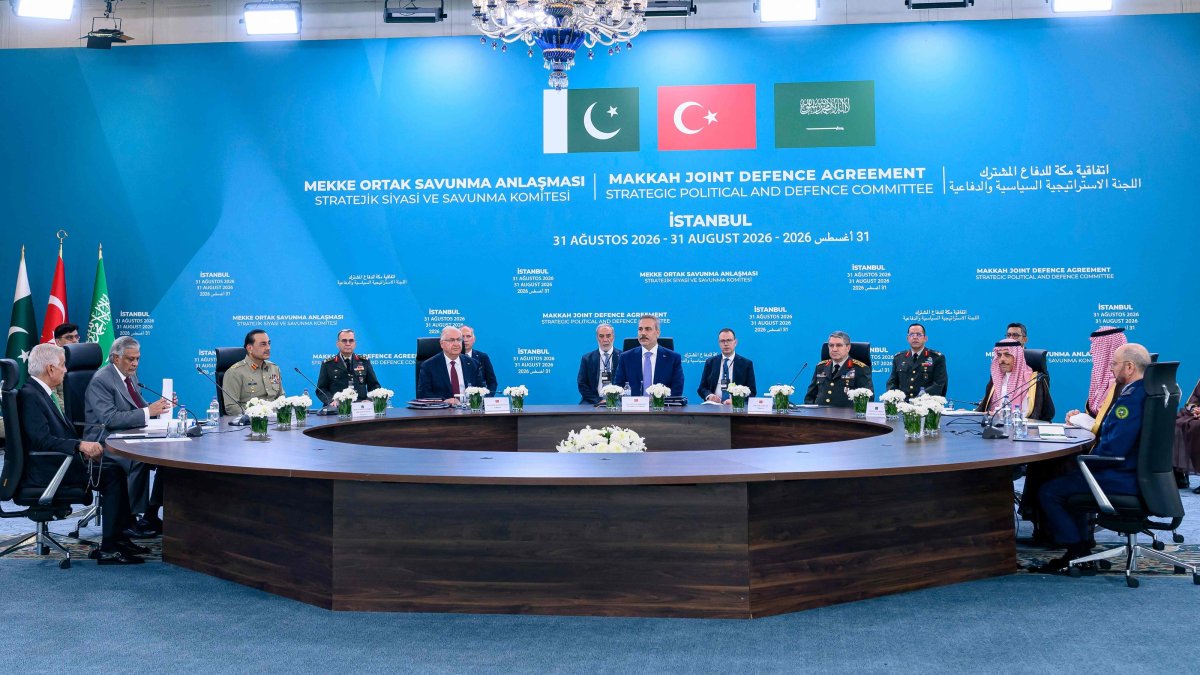
Türkiye, Pakistan, Saudi Arabia deepen joint defense framework
Türkiye, Pakistan and Saudi Arabia have agreed to deepen their defense partnership under the Mecca Agreement, taking new steps to strengthen collective deterren...

Mumbai’s Vile Parle Cypher is giving unheard rappers a voice

Enrich and Ultimo impress

Karnataka CM Signals Review of 5% Park Land Amendment Bill in Assembly

