NALC Union Election Heats Up as Reform Groups Challenge Leadership
Letter carriers in the U.S. are preparing to vote in a high-stakes union election amid dissatisfaction with leadership, low pay, and USPS management practices.
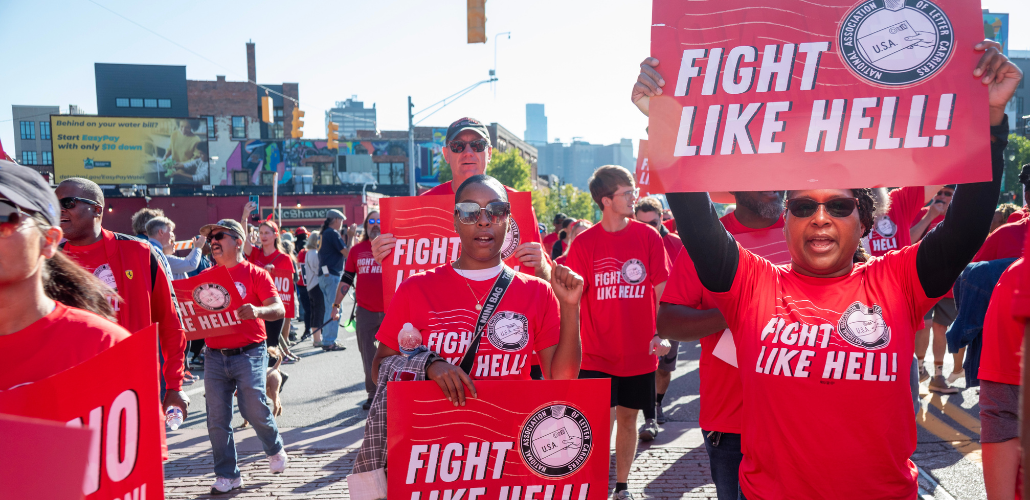
Letter carriers across the United States are preparing to vote in a pivotal union election this fall, with dissatisfaction over leadership, working conditions, and contract negotiations driving calls for reform.
The National Association of Letter Carriers (NALC) convention, scheduled for August 3-7 in Los Angeles, will feature a crowded field of candidates seeking to replace President Brian Renfroe, whose leadership has faced mounting criticism. More than 5,000 delegates are expected to attend, including members from reform groups pushing for greater transparency and member engagement.
Three primary slates are competing for the union's top positions, with members set to vote by mail in the coming months. The Concerned Letter Carriers (CLC) slate, led by Vice President James Henry, includes several local branch presidents. Illinois business agent Mike Caref is running independently, while a third slate, announced July 17, is led by Florida business agent Eddie Davidson and includes multiple incumbent officers.
The election follows years of frustration among members over stagnant wages, forced overtime, hazardous working conditions, and a rejected contract that was imposed after members voted it down. Renfroe, who has not confirmed whether he will seek re-election, has faced internal criticism for secretive bargaining practices and a lack of member input. After members overwhelmingly rejected a tentative agreement in 2024, Renfroe organized nationwide rallies before pivoting to binding arbitration, which resulted in a similar contract that expired prematurely in May 2026.
Reform advocates argue the union’s approach remains insufficient. A coalition of groups, including Caref, the CLC, and the Build a Fighting NALC (BFN) caucus, organized a vote-no movement against the 2024 contract. Activists within the reform movement have differing priorities, with some pushing for a $30 starting wage and others advocating for better working conditions, including limits on managerial oversight.
The broader challenges facing the U.S. Postal Service (USPS) add pressure to the election. Postmaster General David Steiner, appointed under former President Donald Trump’s administration, has threatened service reductions, including potential cuts to delivery days and post office closures, citing financial strain. Steiner has also aligned with Trump’s opposition to mail-in voting, raising concerns about USPS’s future independence.
Reformers argue that rather than cutting services, USPS should expand revenue through new offerings such as banking, internet access, and electric vehicle charging stations. They also advocate for government subsidies to support rural delivery, a model used in other countries.
Internal divisions persist among reform factions, with some activists aligning with the CLC, others with Caref, and some with the Davidson slate. Delegates at the convention will also consider constitutional amendments and resolutions, reflecting the union’s democratic structure.
As the election approaches, many members express frustration with the lack of clarity in bargaining demands. "We have no idea what economic package our union is asking for," said David Grosskopf, a Branch 3 president and CLC candidate for trustee. "We don’t know if we’re asking for $30 an hour, or $50."
The outcome of the election could reshape the union’s direction amid ongoing threats to USPS’s stability and mounting demands for better pay and working conditions.
Comments (0)
No comments yet — be the first to weigh in.

Middlesbrough's Crime Crisis: Decades of Failed Policies Unleash Chaos
Former Middlesbrough mayor Andy Preston blames decades of lenient crime policies for the town's recent surge in gang violence and lawlessness.

Google Maps Renames Lake Ontario to 'Lake America' Following Trump Order
Google Maps now displays 'Lake America' in the US, replacing 'Lake Ontario' after Trump's executive order amid trade tensions with Canada. Canadians still see the original name.

Pentagon Warns Pentagon Chiefs: Iran War Unsustainable, Threatens U.S. Readiness
Classified assessment reveals Pentagon chiefs warn Defense Secretary Pete Hegseth that the Iran war is unsustainable and drains U.S. military resources and readiness.

Mike Rogers Proposes $50 Copays for Routine Health Screenings, Critics Warn of Risks
Former Congressman Mike Rogers suggests $50 copays for routine screenings, sparking debate over healthcare costs and access. Critics highlight potential risks.

Mumbai’s Vile Parle Cypher is giving unheard rappers a voice

Enrich and Ultimo impress

Karnataka CM Signals Review of 5% Park Land Amendment Bill in Assembly

