Nepal-Tibet floods show urgent need for climate disaster preparedness
Thousands displaced by Himalayan glacier collapse floods face urgent needs: food, medicine, clean water. Rising risks from shrinking glaciers demand stronger early warning systems and climate adaptation.
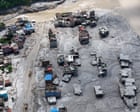
Thousands of people in Nepal and Tibet remain in urgent need of emergency aid following devastating floods triggered by a Himalayan glacier collapse and ice-rock avalanche. With at least 360 confirmed dead and over 1,300 still missing as rescue efforts continue, authorities warn that the death toll may rise as more remote villages become accessible. The disaster has left survivors in urgent need of food, medicine, clean water, and shelter, with some areas reachable only by helicopter.
The catastrophic flood, which swept through steep Himalayan valleys, destroyed homes and infrastructure in its path. While the exact cause is still under investigation by the Nepalese government and international scientists, initial seismic readings were later linked to the glacier collapse rather than an earthquake. Satellite imagery and field assessments are helping authorities reconstruct the event’s timeline, but uncertainty persists due to blocked access routes.
Disaster response organizations, including the United Nations and humanitarian groups, are coordinating relief efforts, with many pledges of international assistance yet to materialize. The Nepalese government has emphasized the need for immediate relief supplies, particularly for displaced women and children who face heightened risks of disease and exploitation. Local aid groups are leading the response, but logistical challenges and ongoing monsoon rains complicate recovery operations.
Climate scientists caution that this disaster is part of a broader pattern linked to global warming. The Himalayas are warming at nearly twice the global average, accelerating glacial melt and increasing the risk of flash floods, landslides, and water shortages. The Intergovernmental Panel on Climate Change (IPCC) has highlighted the region’s heightened vulnerability, warning that retreating glaciers threaten both immediate safety and long-term water security for millions.
As the humanitarian crisis stabilizes, experts stress the need for long-term resilience strategies. Strengthening early warning systems, improving disaster preparedness, and investing in sustainable infrastructure are critical steps to protect vulnerable communities. Governments and international agencies are urged to prioritize climate adaptation funding to prevent future catastrophes.
#NepalFloods #TibetDisaster #GlacierCollapse #ClimateChange #HumanitarianAid #HimalayanRisks #DisasterResponse #IPCC
Comments (0)
No comments yet — be the first to weigh in.

Bentley Torcal: First All-Electric SUV Unveiling & Price Details
Bentley Motors will unveil its first all-electric SUV, the Torcal, on September 23. Discover pricing, features, and how it compares to competitors in the luxury EV market.

How King Harald V of Norway quietly led the world in clean tech adoption
King Harald V of Norway passed away in 2026 after a 35-year reign marked by stealth advocacy for clean technology, particularly electric vehicles, without political interference.

Why Gas Cars Could Be Worth Less Than Zero by 2031 in the US
Analyzing how cheap used EVs may make gasoline cars uneconomical in the US by 2031, with insights from Norway and China's used-car markets.

XPeng Advances AI Tech with VLA 2.0 Upgrade & Robotaxi Progress
XPeng's latest VLA 2.0 upgrade enhances intelligent driving with 4D perception, 20x safety boost, and voice-controlled robotaxis. Discover XPeng's AI advancements.

Mumbai’s Vile Parle Cypher is giving unheard rappers a voice

Enrich and Ultimo impress

Karnataka CM Signals Review of 5% Park Land Amendment Bill in Assembly

