Nevada Sues Federal Government Over Colorado River Water Cuts, Breaking Ranks on Conservation
Nevada, once a model of Colorado River conservation, sues the federal government over disputed water cuts in the latest legal battle over the dwindling resource amid climate change.
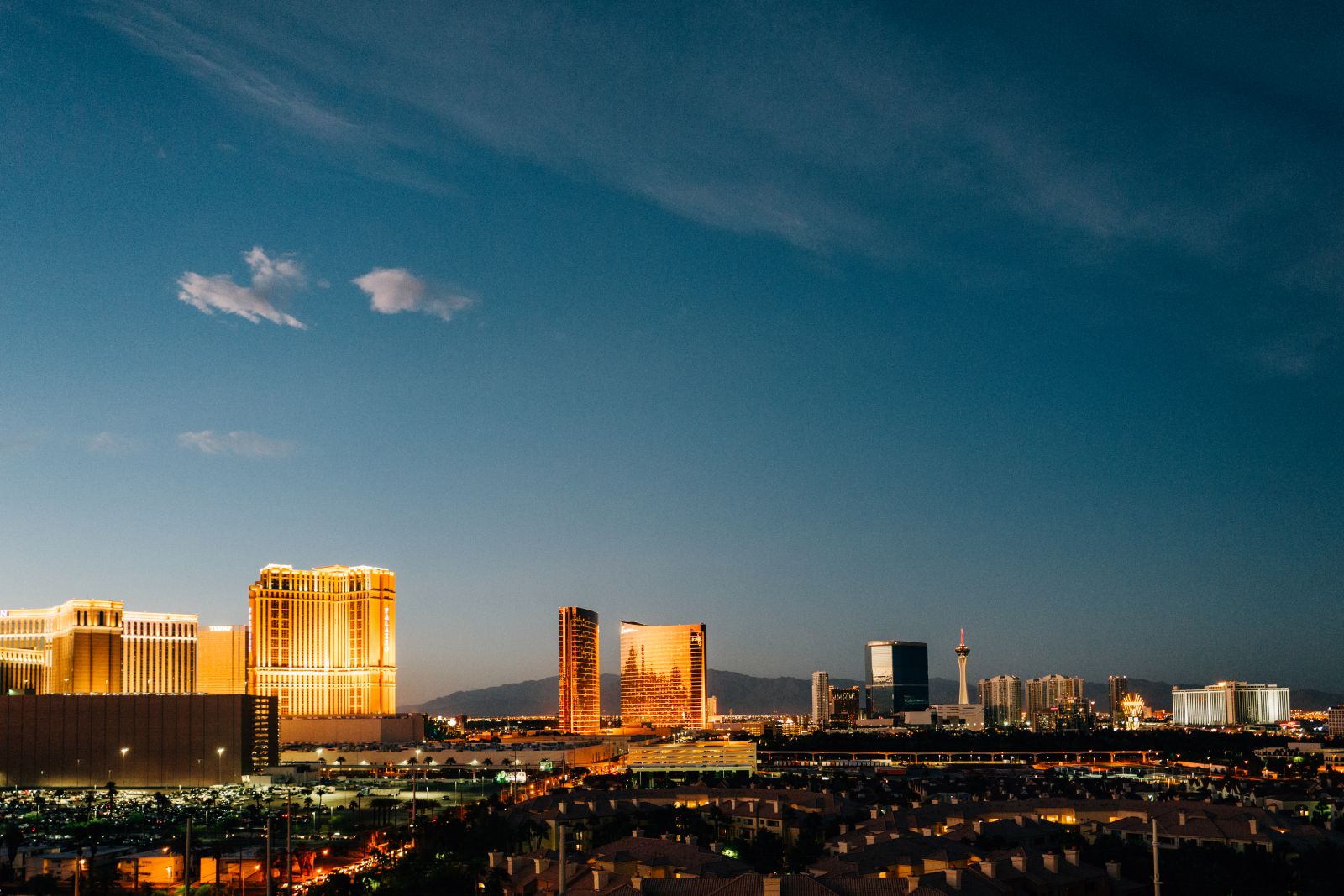
Nevada, long seen as a mediator in Colorado River disputes, has filed a lawsuit against the federal government over a new management plan that the state argues unfairly forces it to bear excessive water cuts.
The lawsuit, filed by Nevada’s Department of Conservation and Natural Resources, challenges the U.S. Department of the Interior’s plan, announced earlier this month, which aims to stabilize the rapidly depleting Colorado River by reducing water use in the Lower Basin states—Arizona, Nevada, and California. The Interior Department’s plan relies on significant cuts to protect critical reservoir levels at Lake Mead and Lake Powell, which have dropped dangerously low due to chronic overuse and a decades-long drought worsened by climate change.
Nevada contends that the federal plan illegally imposes disproportionate cuts on the state, potentially slashing up to 71 percent of the Las Vegas area’s water supply in worst-case scenarios. The state argues that the Interior Department misapplied legal authorities and failed to fully consider economic impacts or viable alternatives, such as structural changes at Glen Canyon Dam. Nevada’s lawsuit claims the federal decision-making process under the National Environmental Policy Act (NEPA) was too narrow and did not explore all potential solutions.
“Nobody can deny that the federal government did a ton of modeling and scenario analyses, but in terms of where the rubber meets the road, what were all the inputs, and what were some of the other analyses that could have been done?” said Kyle Roerink, former director of the Great Basin Water Network, an advocacy group focused on rural Nevada water issues.
Nevada’s legal action marks a shift from its traditional role as a consensus-builder among the seven Colorado River Basin states and 30 tribes with water rights. While the state has promoted cooperation—most recently through its lead negotiator John Entsminger, who emphasized negotiation as the “first, second, and third choice”—it has also warned that it would protect its water rights if necessary.
The federal plan, finalized after two years of failed interstate negotiations, allocates cuts primarily to Lower Basin states based on existing agreements and water rights. Under the plan, Arizona faces the largest immediate cuts, while Nevada and California absorb smaller reductions until 2028, when states can renegotiate. However, Nevada argues that without further agreements, the plan could trigger drastic cuts to its urban water supply—cuts that directly threaten Las Vegas, home to two-thirds of the state’s population and the backbone of its economy.
Legal experts suggest Nevada’s lawsuit is unlikely to halt the federal plan immediately, as the state has not yet requested an injunction. Still, the move introduces legal uncertainty into the river’s near-term management. Some tribal leaders, including Jay Weiner, counsel for the Fort Yuma Quechan Indian Tribe, expressed concern over potential disruptions to water operations in 2027 and 2028.
While the lawsuit signals growing tensions, many observers believe it does not signal the end of collaboration. Other states, including Arizona, may still pursue legal challenges, including a possible case over Upper Basin obligations under the 1922 Colorado River Compact—potentially reshaping decades of interstate water governance. But for now, Nevada’s legal challenge underscores the high stakes and deep divisions as the Colorado River continues to shrink under the pressure of climate change and unsustainable demand.
#Nevada #ColoradoRiver #WaterRights #InteriorDepartment #LasVegas #WaterManagement #NEPA #Drought
Comments (0)
No comments yet — be the first to weigh in.

Bentley Torcal: First All-Electric SUV Unveiling & Price Details
Bentley Motors will unveil its first all-electric SUV, the Torcal, on September 23. Discover pricing, features, and how it compares to competitors in the luxury EV market.

How King Harald V of Norway quietly led the world in clean tech adoption
King Harald V of Norway passed away in 2026 after a 35-year reign marked by stealth advocacy for clean technology, particularly electric vehicles, without political interference.
Why Gas Cars Could Be Worth Less Than Zero by 2031 in the US
Analyzing how cheap used EVs may make gasoline cars uneconomical in the US by 2031, with insights from Norway and China's used-car markets.

XPeng Advances AI Tech with VLA 2.0 Upgrade & Robotaxi Progress
XPeng's latest VLA 2.0 upgrade enhances intelligent driving with 4D perception, 20x safety boost, and voice-controlled robotaxis. Discover XPeng's AI advancements.

Mumbai’s Vile Parle Cypher is giving unheard rappers a voice

Enrich and Ultimo impress

Karnataka CM Signals Review of 5% Park Land Amendment Bill in Assembly

