Nigel Farage and Prince Harry: A Study in Public vs Private Fame
Prince Harry's security funding and public-private fame dilemma mirror Nigel Farage's divisive profile, raising questions about state-funded protection.
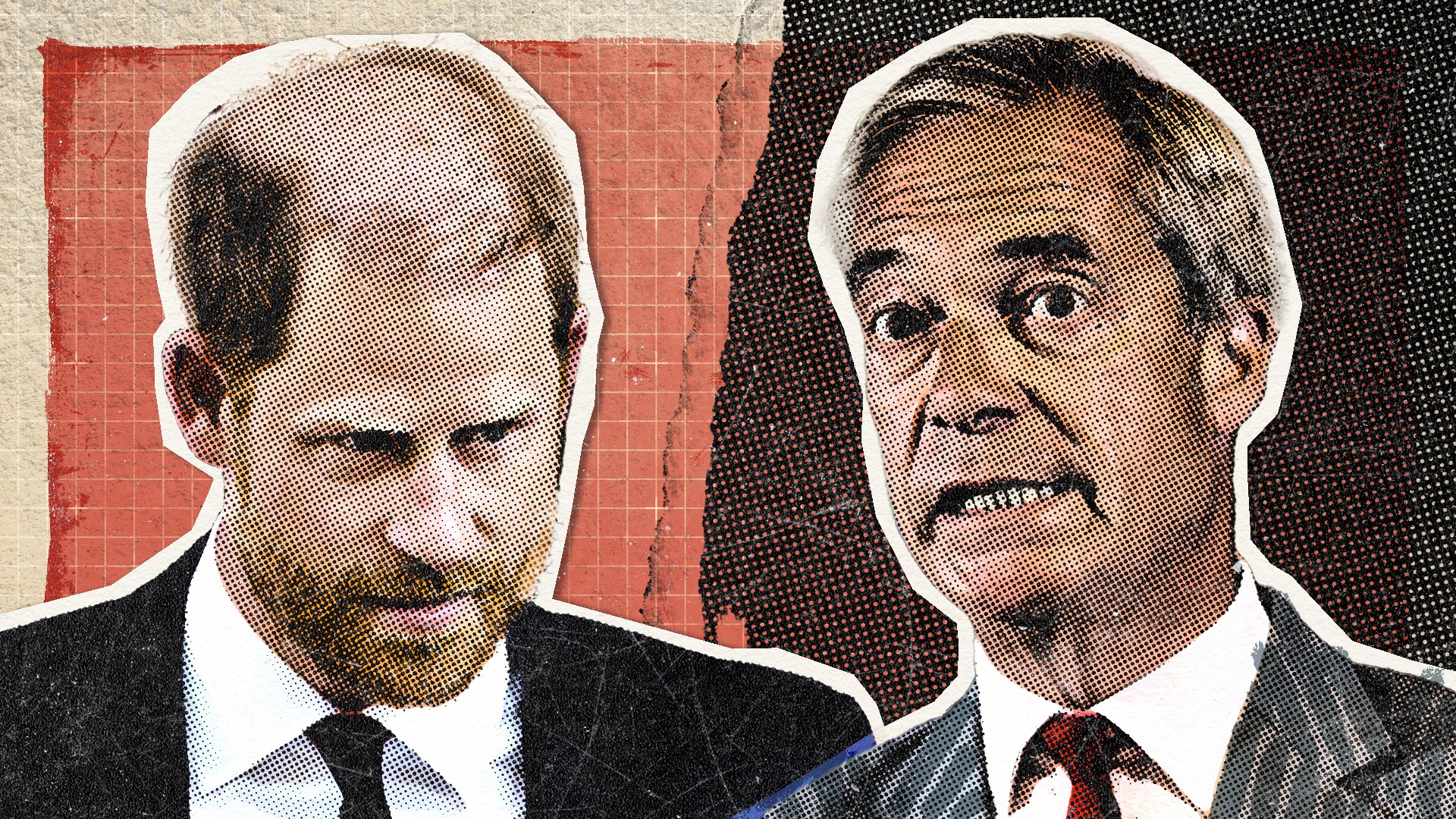
Prince Harry’s return to Britain has reignited debate over public versus private identities and state-funded security, drawing comparisons to Nigel Farage’s ongoing disputes over similar issues.
The Duke of Sussex is reportedly relocating back to the UK with Meghan, Duchess of Sussex, amid ongoing speculation about their motivations and royal relations. Reports suggest the move may be temporary, with Prince William reportedly unaware of the decision until late notice. The couple’s relationship with the monarchy remains strained, with Harry’s public disputes with the tabloid press and unpaid legal fees to *The Mail on Sunday* continuing to fuel discussion.
A key point of contention is Harry’s claim for publicly funded security. In the UK, former prime ministers and high-profile public figures are entitled to state security, but the Sussexes stepped back as working royals in 2020, relinquishing official duties and public funding. The Royal and VIP Executive Committee (RaVEC), which oversees security for public figures, has ruled that Harry would not receive taxpayer-funded protection, even if he reimbursed the cost—a decision aligned with the status of private individuals.
This debate mirrors discussions around Nigel Farage, leader of Reform UK, who has argued that his public role exposes him to significant risk, warranting increased state-funded security. Farage has pointed to a £5 million donation linked to a parliamentary standards investigation, claiming it was intended to offset unmet security costs. The discussion intensified following the murder of Reform UK’s migration spokeswoman, Ann Widdecombe, at her home.
Unlike Farage, who blends political advocacy with media appearances, Harry’s status straddles the line between royal duty and celebrity. While working royals like the Prince and Princess of Wales maintain a carefully curated public image—avoiding commercial endorsements and personal branding—the Sussexes pursued a different path. Their attempt to trademark “Sussex Royal” and launch a lifestyle brand was blocked by Buckingham Palace, reinforcing their transition to private life.
The couple’s 2020 decision to step back as senior royals was framed as a quest for privacy, yet their continued public activism—including Harry’s interviews and Meghan’s media ventures—has kept them in the spotlight. This contradiction was evident early in their relationship: Harry’s controversial decisions, from dressing as a Nazi at a party to discussing combat operations in interviews, clashed with royal expectations of discretion.
Meghan’s background in entertainment and American celebrity culture may have contributed to her misunderstanding of the symbolic role of the monarchy. While the public initially welcomed her as a modern, diverse addition to the royal family, her and Harry’s approach to fame—leveraging their titles for personal branding—alienated many.
Today, the Sussexes’ desire for privacy competes with their continued use of royal titles in public discourse. Their situation highlights a broader tension: how public figures transition from official roles to private life, and what obligations—financial, legal, or otherwise—they retain.
#PrinceHarry #MeghanMarkle #MonarchyUK #NigelFarage #RoyalFamily #Megxit #UKSecurity #ReformUK
Comments (0)
No comments yet — be the first to weigh in.

Middlesbrough's Crime Crisis: Decades of Failed Policies Unleash Chaos
Former Middlesbrough mayor Andy Preston blames decades of lenient crime policies for the town's recent surge in gang violence and lawlessness.

Google Maps Renames Lake Ontario to 'Lake America' Following Trump Order
Google Maps now displays 'Lake America' in the US, replacing 'Lake Ontario' after Trump's executive order amid trade tensions with Canada. Canadians still see the original name.

Pentagon Warns Pentagon Chiefs: Iran War Unsustainable, Threatens U.S. Readiness
Classified assessment reveals Pentagon chiefs warn Defense Secretary Pete Hegseth that the Iran war is unsustainable and drains U.S. military resources and readiness.
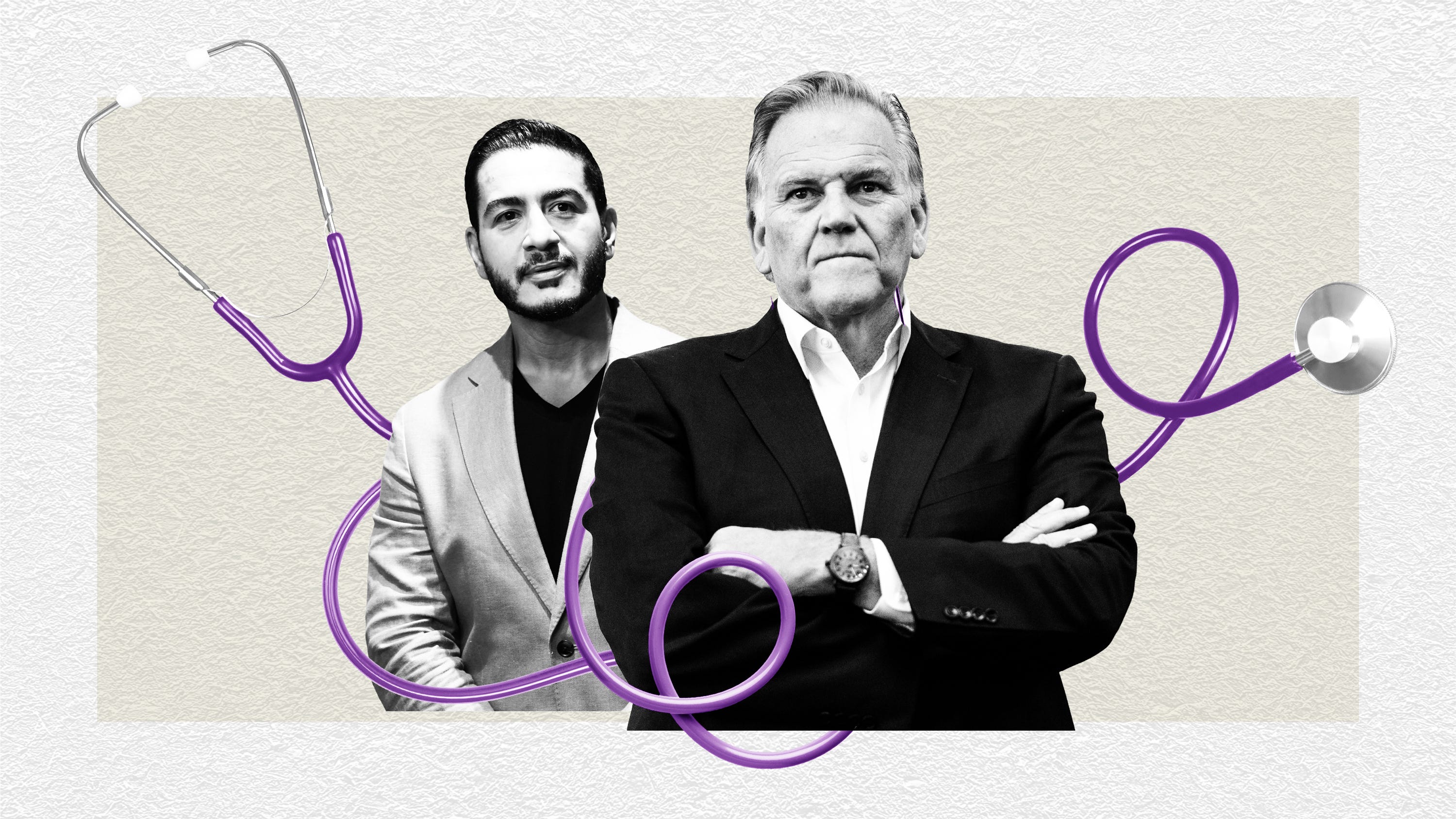
Mike Rogers Proposes $50 Copays for Routine Health Screenings, Critics Warn of Risks
Former Congressman Mike Rogers suggests $50 copays for routine screenings, sparking debate over healthcare costs and access. Critics highlight potential risks.

Mumbai’s Vile Parle Cypher is giving unheard rappers a voice

Enrich and Ultimo impress

Karnataka CM Signals Review of 5% Park Land Amendment Bill in Assembly

