Prince Harry and Meghan's return: Why the British monarchy remains unshaken
The Sussexes' return to Britain highlights the enduring power of the monarchy. Despite controversies, the institution persists, reflecting a deep-seated need for symbolic leadership in British society.
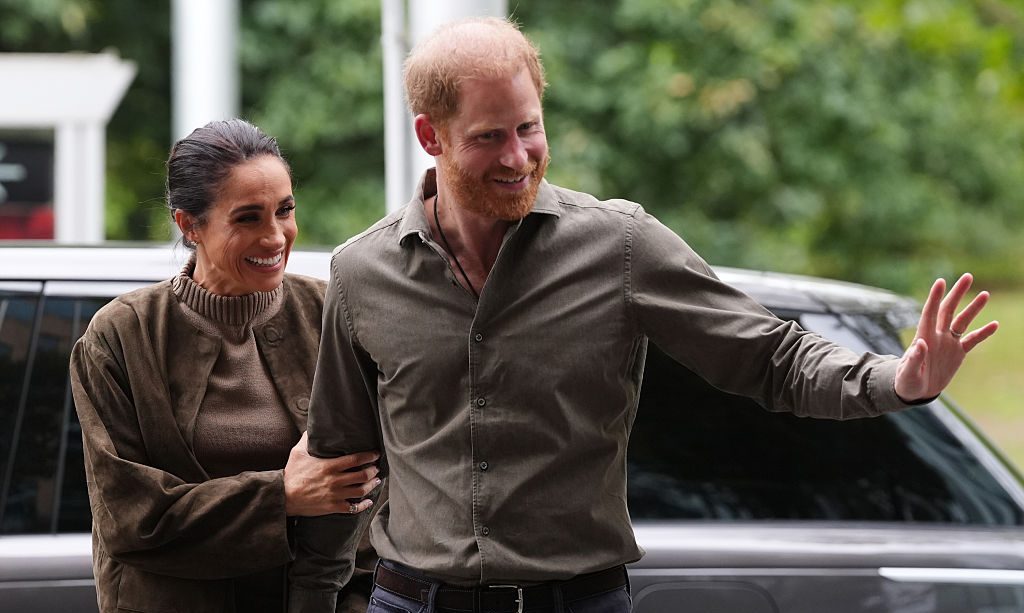
Prince Harry and Meghan, Duchess of Sussex, returned to Britain yesterday after six years in self-imposed exile in Montecito, California. The couple’s arrival marks the end of a prolonged period away from public life in the UK, where they had previously faced intense media scrutiny and family tensions.
The visit comes amid renewed public interest in the Sussexes, whose 2020 departure from royal duties remains a contentious chapter in modern British monarchy history. Their time in California was marked by high-profile interviews, a Netflix documentary series, and allegations of mistreatment by the British press—particularly tabloids, which have been widely criticized for their coverage of Meghan.
Analysts suggest the couple’s return may reignite debates over their relationship with the royal family, the monarchy’s future, and the enduring power of the British press. However, the Sussexes’ reception remains uncertain, with public opinion sharply divided over their decision to step back from senior royal roles.
The monarchy itself has faced persistent challenges in recent decades, from the death of Princess Diana in 1997 to the ongoing scrutiny of its relevance in a modern constitutional state. Diana’s legacy looms large over the institution, with many historians arguing her influence reshaped public perceptions of the royal family. Her death sparked an unprecedented outpouring of grief, temporarily uniting a nation that had often viewed the Windsors with skepticism.
Critics of the monarchy point to its historical associations with privilege, colonialism, and resistance to reform. Supporters, however, argue that the institution provides stability, cultural continuity, and a unifying symbol in an era of political fragmentation. Recent polls indicate that while republican sentiment exists, support for abolishing the monarchy remains a minority position in the UK.
The Sussexes’ return also raises questions about the broader role of celebrity and media in modern Britain. Their decision to leave for the U.S. was framed as an escape from invasive press coverage, yet their subsequent high-profile projects—including a Netflix deal reportedly worth millions—have kept them in the public eye. This paradox underscores the challenges of balancing privacy with public expectation in an age of 24-hour news cycles and social media.
As the couple re-engages with British life, their actions will be scrutinized for signs of reconciliation with the royal family—or further estrangement. Their reception may also influence broader discussions about the monarchy’s adaptability in an increasingly diverse and digital society.
For now, their return serves as a reminder of the enduring fascination—and controversy—surrounding one of Britain’s most scrutinized families. Whether this visit leads to lasting change or merely a temporary resurgence of interest remains to be seen.
Comments (0)
No comments yet — be the first to weigh in.

Middlesbrough's Crime Crisis: Decades of Failed Policies Unleash Chaos
Former Middlesbrough mayor Andy Preston blames decades of lenient crime policies for the town's recent surge in gang violence and lawlessness.

Google Maps Renames Lake Ontario to 'Lake America' Following Trump Order
Google Maps now displays 'Lake America' in the US, replacing 'Lake Ontario' after Trump's executive order amid trade tensions with Canada. Canadians still see the original name.

Pentagon Warns Pentagon Chiefs: Iran War Unsustainable, Threatens U.S. Readiness
Classified assessment reveals Pentagon chiefs warn Defense Secretary Pete Hegseth that the Iran war is unsustainable and drains U.S. military resources and readiness.

Mike Rogers Proposes $50 Copays for Routine Health Screenings, Critics Warn of Risks
Former Congressman Mike Rogers suggests $50 copays for routine screenings, sparking debate over healthcare costs and access. Critics highlight potential risks.

Mumbai’s Vile Parle Cypher is giving unheard rappers a voice

Enrich and Ultimo impress

Karnataka CM Signals Review of 5% Park Land Amendment Bill in Assembly

