Space Race Environmental Risks: Tech's 'Starwashing' Problem Exposed
As private space companies like SpaceX and Blue Origin expand, experts warn of 'starwashing'—overhyping space tech while downplaying its environmental harm, including air pollution and orbital debris.
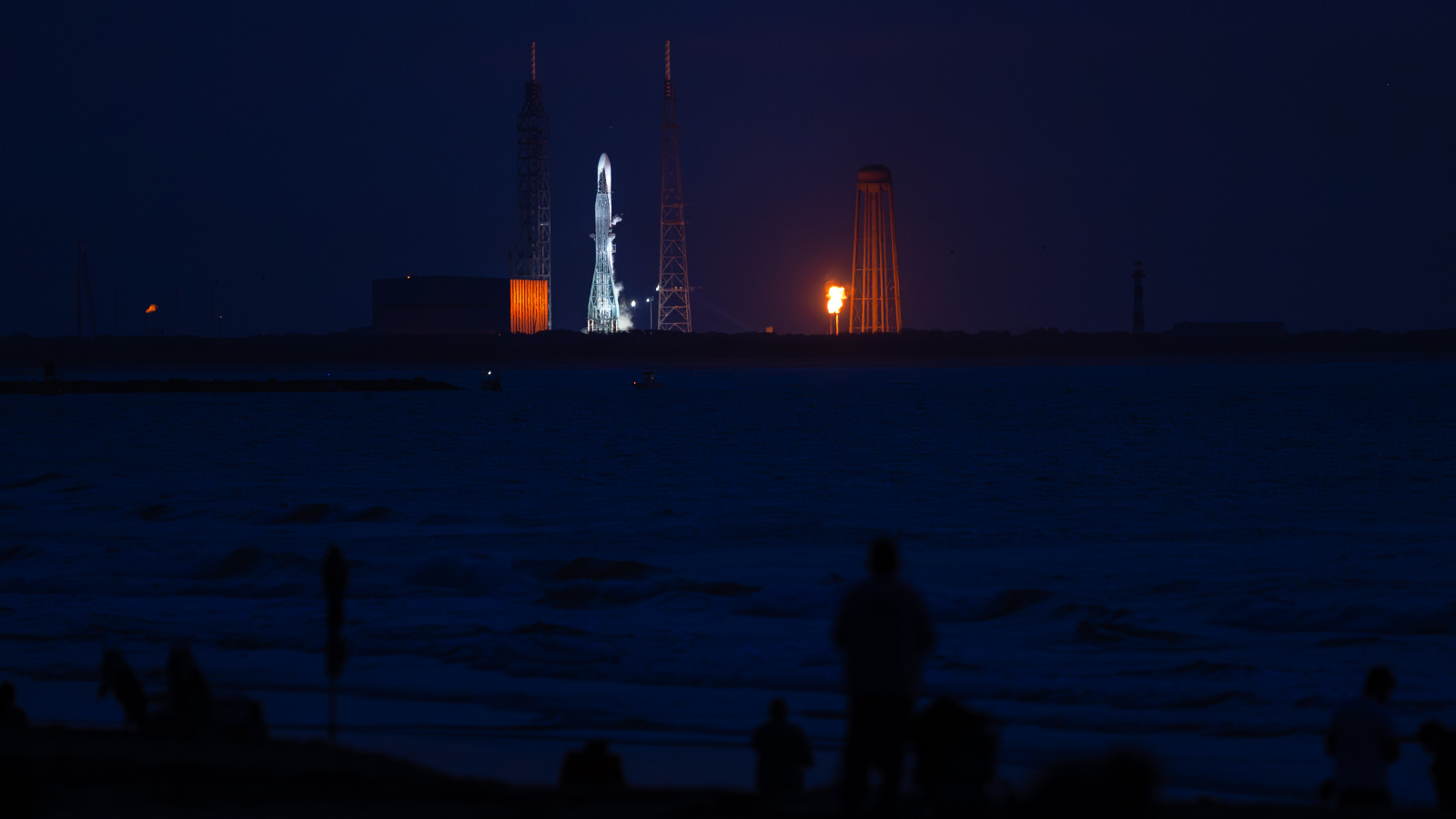
The burgeoning space industry, driven by private companies like SpaceX and Blue Origin, is raising concerns about its environmental impact on Earth. This new era of space exploration, often termed the "new space race," has introduced innovative yet contentious proposals, such as placing data centers in orbit or deploying thousands of mirrors to beam sunlight to solar farms at night. While these ideas, championed by figures like Elon Musk and Jeff Bezos, promise technological progress, critics warn of unintended consequences, including air and light pollution, space debris, and atmospheric damage.
The term "starwashing," popularized by space researcher Melissa E. Yingling in a recent *Conversation* article, draws parallels with "greenwashing." It describes how space companies downplay their environmental harm while emphasizing their potential to benefit humanity. For instance, Blue Origin promotes its mission as "restoring and sustaining Earth," citing reusable rockets and cleaner fuels, while California-based start-up Reflect Orbital plans to launch 50,000 orbital mirrors to provide on-demand sunlight, claiming it will lead to a "healthier planet."
Experts argue that this optimism distracts from pressing environmental challenges. Gregers Andersen, a postdoctoral researcher at the University of Southern Denmark, warns that such narratives divert attention from solving Earth’s climate crisis. Magali Delmas, a professor at UCLA’s Institute of the Environment and Sustainability, compares the current space boom to the Gold Rush, noting that early optimism often overlooks environmental harm. Research indicates that rocket launches release soot and water vapor into the stratosphere, potentially damaging the ozone layer and amplifying global warming. Additionally, satellite disintegration could alter atmospheric chemistry, releasing heat-trapping aluminum oxide dust.
Beyond atmospheric effects, space expansion contributes to light pollution, disrupts wildlife habitats near launch sites, and generates significant greenhouse gas emissions from manufacturing and launches. However, some experts acknowledge that space technologies have yielded tangible benefits, such as methane-detecting satellites that exposed underreported oil and gas leaks. Astronauts’ "overview effect"—their awe at Earth’s fragility from space—has also inspired climate advocacy.
Andersen cautions against embracing tech moguls’ narratives of progress, arguing they may manipulate public optimism amid worsening climate projections. He advocates for a sustainable civilization within Earth’s planetary boundaries rather than pursuing space colonization. As the space industry accelerates, balancing innovation with environmental responsibility remains a critical challenge.
#SpaceIndustry #EnvironmentalImpact #Starwashing #ElonMusk #BlueOrigin #SpaceDebris #ClimateChange
Comments (0)
No comments yet — be the first to weigh in.

Bentley Torcal: First All-Electric SUV Unveiling & Price Details
Bentley Motors will unveil its first all-electric SUV, the Torcal, on September 23. Discover pricing, features, and how it compares to competitors in the luxury EV market.

How King Harald V of Norway quietly led the world in clean tech adoption
King Harald V of Norway passed away in 2026 after a 35-year reign marked by stealth advocacy for clean technology, particularly electric vehicles, without political interference.

Why Gas Cars Could Be Worth Less Than Zero by 2031 in the US
Analyzing how cheap used EVs may make gasoline cars uneconomical in the US by 2031, with insights from Norway and China's used-car markets.

XPeng Advances AI Tech with VLA 2.0 Upgrade & Robotaxi Progress
XPeng's latest VLA 2.0 upgrade enhances intelligent driving with 4D perception, 20x safety boost, and voice-controlled robotaxis. Discover XPeng's AI advancements.

Mumbai’s Vile Parle Cypher is giving unheard rappers a voice

Enrich and Ultimo impress

Karnataka CM Signals Review of 5% Park Land Amendment Bill in Assembly

