Statement on 29 States Settling Lawsuit with Meta

A coalition of 29 states has reached a landmark settlement with Meta, the parent company of Facebook and Instagram, imposing significant financial penalties and mandating sweeping changes to protect minors from harmful platform features.
The agreement, announced Thursday, requires Meta to disable certain addictive and potentially dangerous features for users under 18, including the display of "like" counts on posts and access to plastic surgery filters. Additionally, the company must implement measures to protect young users' sleep by restricting access to Instagram during overnight hours for minors' accounts. The settlement also mandates that Meta identify and verify users under 13 and under 18 without compromising the privacy of adult users.
Josh Golin, executive director of Fairplay, a child advocacy organization formerly known as the Campaign for a Commercial-Free Childhood, praised the settlement as a "watershed moment" for efforts to shield children from exploitative and harmful social media design. "In addition to a significant financial penalty, the state attorneys general have secured the most significant injunctive relief yet from Meta," Golin stated. He highlighted the inclusion of guardrails to protect children from predatory adults as a critical step forward.
Fairplay emphasized the need for federal intervention through the Kids Online Safety Act (KOSA), which has garnered bipartisan support from over three-quarters of the U.S. Senate. The organization urged Senate leaders—Majority Leader John Thune and Minority Leader Charles Schumer—to bring the bill to a vote next month, arguing that federal legislation is necessary to ensure comprehensive protections for children across all platforms.
The settlement comes amid growing scrutiny of social media companies' role in exacerbating mental health challenges among young people. Internal documents have repeatedly shown that Meta and other platforms deliberately design features to maximize engagement, often at the expense of minors' well-being.
In a separate but related development, a new report from the American Economic Liberties Project (AELP) has called for sweeping reforms to address what it describes as the "profit-driven chaos" plaguing the U.S. healthcare system. Authored by Morgan Harper, AELP’s director of policy and advocacy, and senior policy analyst Emma Freer, the report—titled *Break Up Big Medicine*—argues that decades of neoliberal policies have concentrated power in the hands of corporate healthcare giants, leading to soaring costs and deteriorating patient outcomes.
The report highlights that between 2005 and 2025, the annual cost of employer-sponsored family healthcare coverage nearly tripled, rising from $12,214 to $35,119. It also notes that U.S. patients pay nearly three times as much for prescription drugs as individuals in other countries, while the nation spends over $15,000 per person annually on healthcare—roughly one-fifth of its gross domestic product—yet achieves worse outcomes than peer nations.
The AELP report proposes a four-part "treatment plan" to reduce healthcare spending by $795 billion annually, including breaking up corporate monopolies in healthcare, capping prices, expanding provider capacity, and strengthening enforcement of existing laws. It points to existing legislation, such as the Break Up Big Medicine Act and the Patients Over Profits Act, as potential solutions.
Dr. Will Flanary, an ophthalmologist based in Portland, Oregon, contributed to the report, describing the moral injury inflicted on independent physicians by a system dominated by corporate interests. "What my patients need most is bold policy reforms to break up Big Medicine," he wrote, adding that he has taken on an advocacy role under the name "Dr. Glaucomflecken" to push for systemic change.
The report underscores the role of prior authorization requirements, which force physicians to spend an average of 40 hours per week on administrative tasks, diverting time from patient care. It also highlights the dominance of six corporate giants—Cardinal Health, Cencora, Cigna, CVS Health, McKesson, and UnitedHealth Group—which collectively earn nearly $34 billion in annual profits and employ more than 80 percent of U.S. doctors.
The AELP advocates for standardizing healthcare prices using Medicare reimbursement rates, banning prior authorization, and investing in public healthcare options to reduce administrative waste. The report calls on Congress to close legal loopholes that enable anti-competitive practices in the pharmaceutical industry.
Comments (0)
No comments yet — be the first to weigh in.

Middlesbrough's Crime Crisis: Decades of Failed Policies Unleash Chaos
Former Middlesbrough mayor Andy Preston blames decades of lenient crime policies for the town's recent surge in gang violence and lawlessness.

Google Maps Renames Lake Ontario to 'Lake America' Following Trump Order
Google Maps now displays 'Lake America' in the US, replacing 'Lake Ontario' after Trump's executive order amid trade tensions with Canada. Canadians still see the original name.

Pentagon Warns Pentagon Chiefs: Iran War Unsustainable, Threatens U.S. Readiness
Classified assessment reveals Pentagon chiefs warn Defense Secretary Pete Hegseth that the Iran war is unsustainable and drains U.S. military resources and readiness.
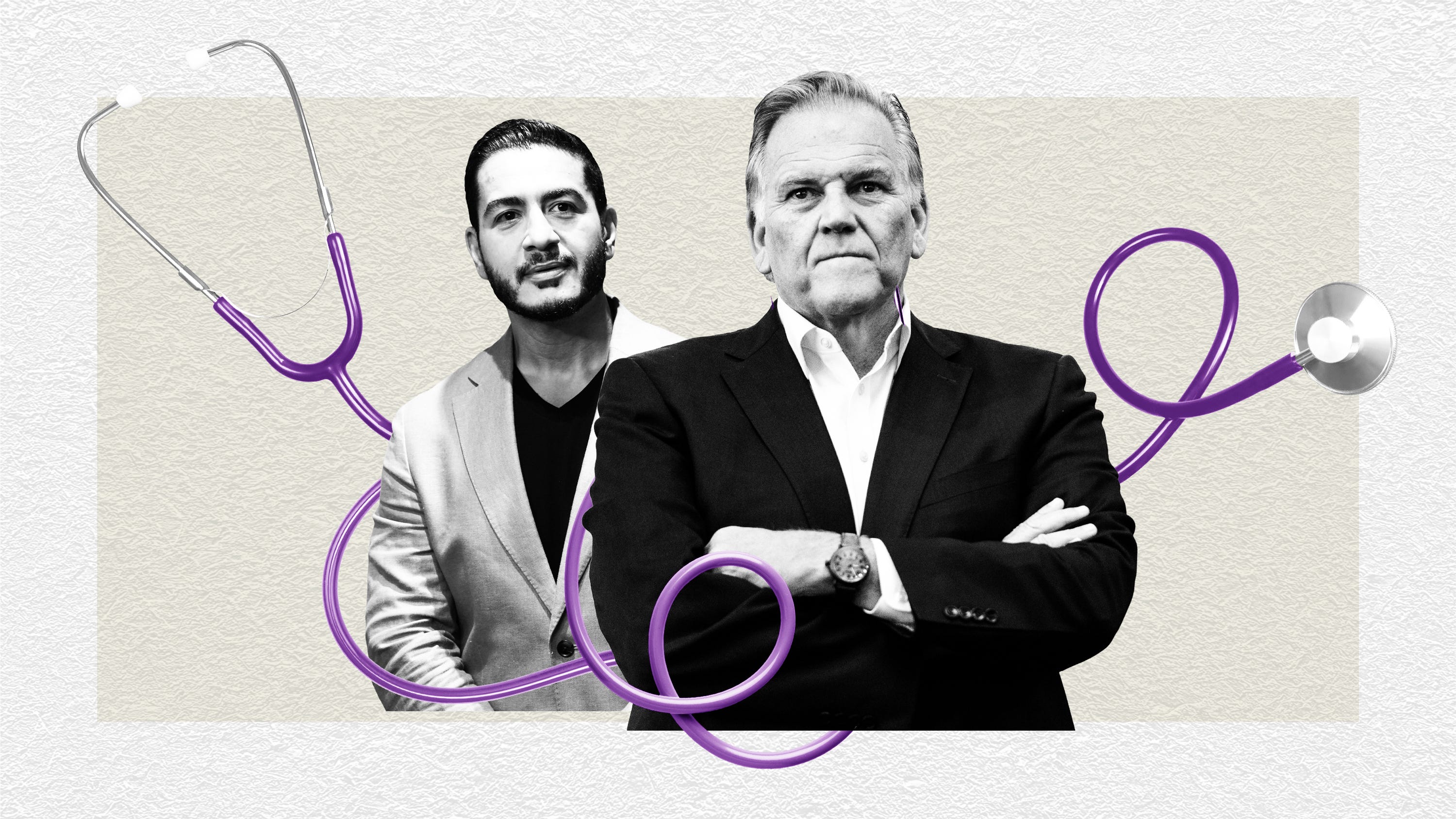
Mike Rogers Proposes $50 Copays for Routine Health Screenings, Critics Warn of Risks
Former Congressman Mike Rogers suggests $50 copays for routine screenings, sparking debate over healthcare costs and access. Critics highlight potential risks.

Mumbai’s Vile Parle Cypher is giving unheard rappers a voice

Enrich and Ultimo impress

Karnataka CM Signals Review of 5% Park Land Amendment Bill in Assembly

