US Expands Iran Sanctions: China Vows Response as Tensions Rise
China condemns US sanctions on Iran, vowing to protect trade ties amid escalating economic measures and geopolitical tensions.
China strongly opposed new U.S. sanctions targeting Iran and its trading partners, including Beijing, warning that it would take all necessary steps to protect its interests. The measures, announced Monday by U.S. Treasury Secretary Scott Bessent, expand economic restrictions on Iran with the stated goal of cutting off financial support to Tehran. China, a major buyer of Iranian oil, has vowed to continue trade within international legal frameworks despite Washington’s warnings.
China’s Foreign Ministry spokesman Lin Jian reiterated Beijing’s stance on Tuesday, calling the U.S. sanctions “illegal unilateral measures” that violate international law. “Cooperation between China and Iran has always been conducted within the framework of international law and should not be interfered with or disrupted,” Lin said. He added that China would defend its legitimate rights and interests against any interference.
Bessent framed the sanctions as the most aggressive financial campaign ever launched against Iran, warning that any country, bank, or business engaging with Tehran would face isolation. He did not single out specific nations but emphasized that financial institutions worldwide could be penalized. “No one is above the reach of U.S. sanctions,” Bessent stated, signaling a broader enforcement strategy.
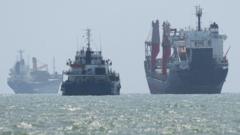
The announcement follows escalating tensions between the U.S. and Iran, including the ongoing conflict that has disrupted global oil supplies and led to price increases. Iran has blocked exports through the Strait of Hormuz, a critical shipping route, while the U.S. has enforced its own naval restrictions. Despite a recent 60-day ceasefire lapse, diplomatic efforts to resolve the crisis have stalled.
Iranian Economy Minister Ali Madanizadeh said Tehran is fully prepared for the new sanctions, calling them a sign of U.S. weakness. “The government is ready with a two-year plan to manage these events,” he told state television. He also claimed Iran has tools to counter pressure and has anticipated such measures for some time.
Analysts question the sanctions’ immediate effectiveness. David Oxley, chief commodities economist at Capital Economics, suggested the impact on Iran’s oil revenues would be limited, noting that China imports nearly 90% of Iran’s oil and has long rejected U.S. sanctions. Ali Vaez of the International Crisis Group echoed this view, stating that China typically rejects unilateral U.S. sanctions as illegitimate. He added that Iran’s neighbors, including Pakistan, Turkey, and Iraq, cannot afford to sever ties with Tehran despite U.S. pressure.
Other countries potentially affected by the sanctions include India and Russia, though neither has yet responded. The U.S. has labeled its campaign “Operation Economic Outcast” and framed it as a decisive step to end the Iranian threat. The U.K. has expressed support for the sanctions, with Chancellor John Healey calling them part of efforts to secure a diplomatic solution.
The move coincides with planned talks between U.S. President Donald Trump and Chinese President Xi Jinping next month. Analysts warn that Beijing could retaliate, particularly given its control over rare earth minerals critical to global technology supply chains. China has already tightened export controls on these materials in past trade disputes with the U.S.
The U.S. Treasury identified nearly 60 entities, individuals, and vessels tied to Iran’s oil trade, aiming to disrupt evasion networks. However, experts suggest Iran’s trade partners may continue business as usual, reducing the immediate impact of the sanctions.
#ChinaUSrelations #IranSanctions #ScottBessent #DonaldTrump #XiJinping #MiddleEastTensions #GlobalOilMarket #TradeWar
Comments (0)
No comments yet — be the first to weigh in.

Israel's 2.6M Students Return to School Amid Education Reforms and Protests
Israel's 2.6 million students resume classes as the Education Ministry introduces financial literacy and AI reforms, amid teacher shortages and protests over militarization.

Earth's magnetic field can help archaeologists sniff out forged antiquities
Researchers at the University of California San Diego have developed a new method using Earth's magnetic field to help archaeologists distinguish between a...

US, Israel, and Palestine to Hold Three Elections in 32 Days – Global Stakes
Three key elections – U.S., Israel, and Palestine – will take place from Oct. 27 to Nov. 28, shaping domestic politics and international ties.
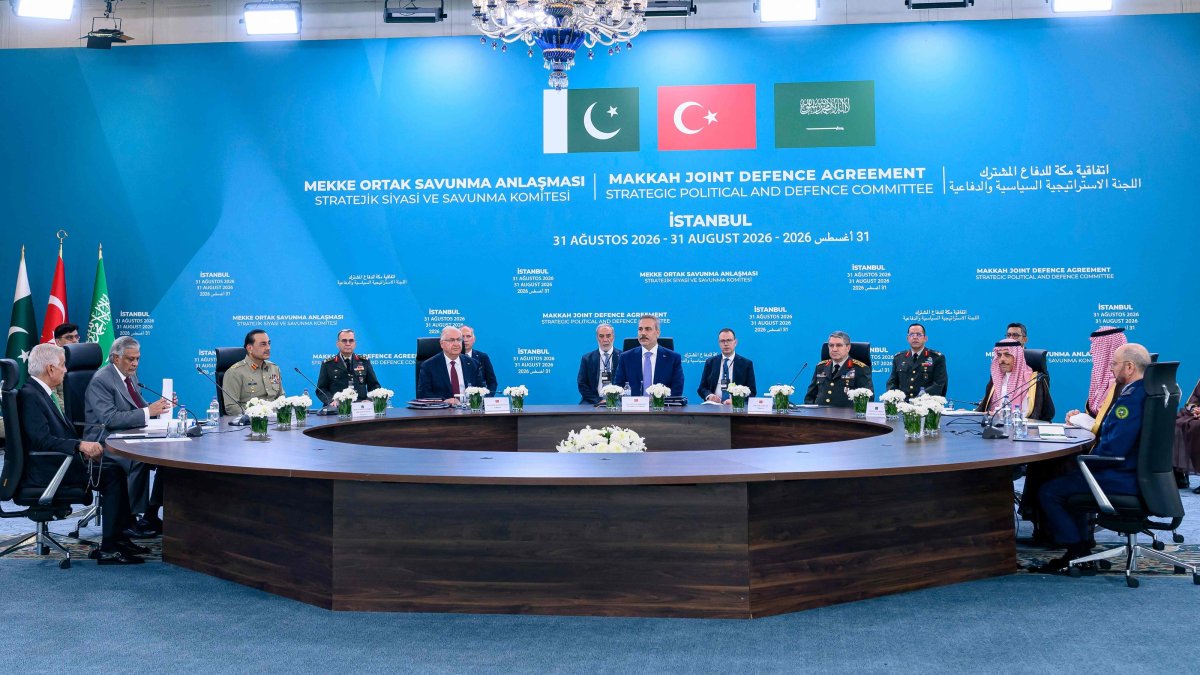
Türkiye, Pakistan, Saudi Arabia deepen joint defense framework
Türkiye, Pakistan and Saudi Arabia have agreed to deepen their defense partnership under the Mecca Agreement, taking new steps to strengthen collective deterren...

Mumbai’s Vile Parle Cypher is giving unheard rappers a voice

Enrich and Ultimo impress

Karnataka CM Signals Review of 5% Park Land Amendment Bill in Assembly

