US Imposes Sweeping New Sanctions on Iran Amid Heightened Tensions
The US announces major economic sanctions on Iran, aiming to isolate Tehran globally. Iran vows resistance as oil exports and trade face new restrictions amid rising geopolitical tensions.

Iran says it is fully prepared to counter expanded US economic sanctions as Washington intensifies its financial pressure campaign against Tehran. The announcement from the US Treasury Department follows what Washington calls an "economic D-Day" designed to cut off Iran’s remaining revenue streams and isolate the country from the global economy. Iran has dismissed the measures, with Economy Minister Ali Madanizadeh asserting that Tehran is “fully prepared” and will respond effectively.
US Treasury Secretary Scott Bessent framed the new measures as the most aggressive financial campaign ever launched against Iran. Speaking at a press conference detailing what the US is calling “Operation Economic Outcast,” Bessent said the goal is to “tighten the noose and block every potential source of revenue” for the Iranian regime. He warned that any country, bank, or business continuing to engage financially with Iran would face isolation and sanctions. Bessent also indicated that former President Donald Trump would personally contact world leaders to demand compliance.
The sanctions target several sectors, including digital assets, technology, gold, aviation, and shipping. The US Treasury has imposed sanctions on nearly 60 entities, individuals, and vessels linked to Iran’s sanctions-evasion networks. Bessent emphasized that the US is mapping out financial facilitators and channels used by Iran to trade oil and warned governments not to enable such activity, saying they “cannot claim they are blind to this.”
Iran has pushed back, with Madanizadeh stating that China and Russia have not accepted the US measures and that other countries will resist as well. He claimed Iran has a two-year plan to manage the economic fallout and has long prepared for such scenarios. Iran also repeated its threat to shut down all oil exports in the region if the conflict persists. Additionally, the regime warned international ships not to pass through the Strait of Hormuz without permission, a major shipping route through which about one-fifth of the world’s oil and gas flows.
China, Iran’s top oil customer, has rejected the US sanctions, calling them “illegal unilateral sanctions.” Foreign Ministry spokesman Lin Jiang said economic pressure would not resolve issues and that Beijing would protect its own interests. Analysts question the effectiveness of the new measures, noting that China has ignored previous US sanctions and continues to trade with Iran. Ali Vaez of the International Crisis Group said unilateral US sanctions are seen as illegitimate by Beijing and are unlikely to change its behavior.
Economic analysts also doubt the immediate impact on Iran’s oil exports. David Oxley of Capital Economics said that with Iran’s oil exports already severely restricted by a US naval blockade, the new sanctions may have limited direct effect in the short term. He noted that 90% of Iran’s oil exports go to China, which has not recognized US sanctions in the past and is unlikely to change its stance now. Meanwhile, Iran’s neighbors such as Pakistan, Turkey, and Iraq are reluctant to cut ties with Tehran despite pressure from the US.
The broader economic fallout from the conflict continues to be felt globally, with oil prices rising and gasoline prices in the US surpassing $4 per gallon ahead of the mid-term elections. On Monday, Brent crude oil was trading at $92 per barrel. The US Treasury also announced plans to intervene in bond markets to support demand, but the impact was short-lived as long-term borrowing costs rose again the following day.
The current sanctions campaign follows the Trump administration’s 2018 withdrawal from the 2015 nuclear deal, which lifted many economic restrictions in exchange for Iran limiting its nuclear program. President Joe Biden attempted to revive the agreement but negotiations failed. The US has since imposed multiple rounds of sanctions targeting Iran’s financial networks and oil trade.
#IranSanctions #USEconomicSanctions #ScottBessent #AliMadanizadeh #StraitOfHormuz #OilPrices #ChinaIranTrade #USIranRelations
Comments (0)
No comments yet — be the first to weigh in.

Israel's 2.6M Students Return to School Amid Education Reforms and Protests
Israel's 2.6 million students resume classes as the Education Ministry introduces financial literacy and AI reforms, amid teacher shortages and protests over militarization.

Earth's magnetic field can help archaeologists sniff out forged antiquities
Researchers at the University of California San Diego have developed a new method using Earth's magnetic field to help archaeologists distinguish between a...

US, Israel, and Palestine to Hold Three Elections in 32 Days – Global Stakes
Three key elections – U.S., Israel, and Palestine – will take place from Oct. 27 to Nov. 28, shaping domestic politics and international ties.
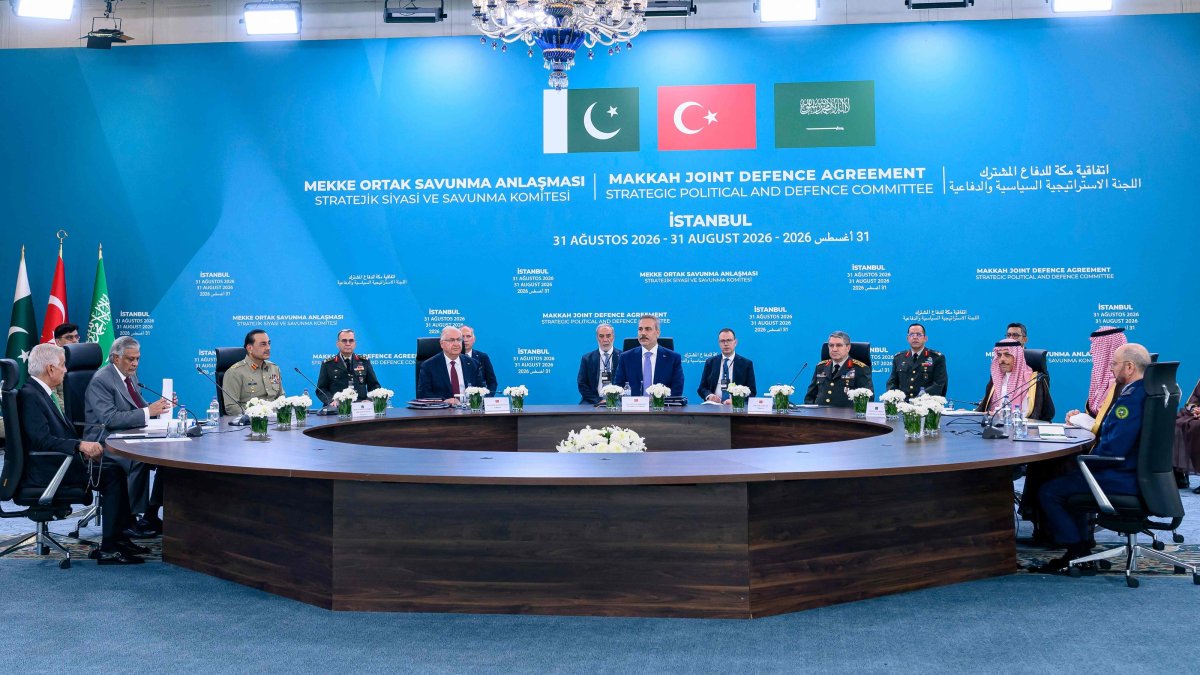
Türkiye, Pakistan, Saudi Arabia deepen joint defense framework
Türkiye, Pakistan and Saudi Arabia have agreed to deepen their defense partnership under the Mecca Agreement, taking new steps to strengthen collective deterren...

Mumbai’s Vile Parle Cypher is giving unheard rappers a voice

Enrich and Ultimo impress

Karnataka CM Signals Review of 5% Park Land Amendment Bill in Assembly

