Why We Over-Value Corpses and What It Says About Our Fear of Death
Exploring society's contradictory reverence for corpses, from funeral scandals to cultural superstitions, and why our fear of the dead may reveal deeper anxieties about mortality.
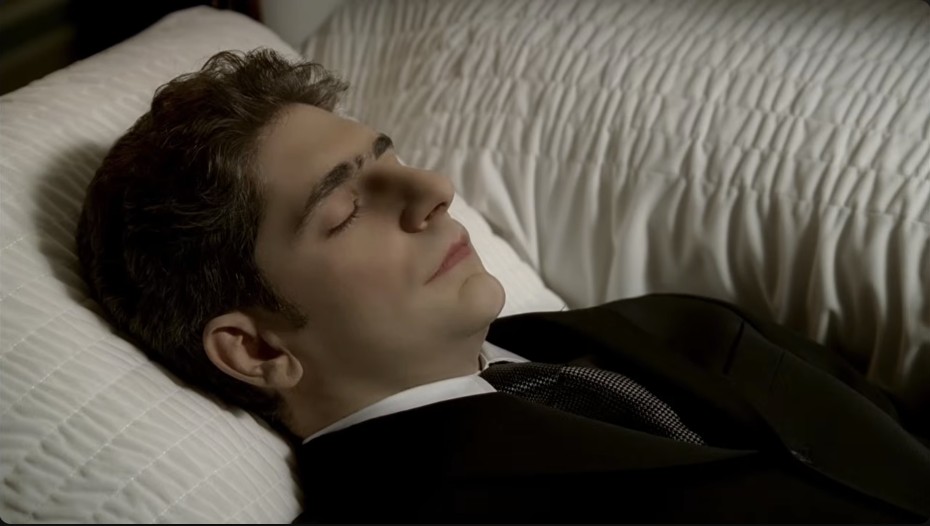
The recent 20-year prison sentence handed to funeral director Robert Bush for mishandling human remains has reignited debates about society's complex relationship with death and the dead. Bush was convicted of failing to properly cremate and bury the deceased, instead providing grieving families with the ashes of strangers. His case highlights broader questions about the cultural and psychological significance placed on corpses and ashes, which often transcends rational or practical considerations.
Societies have long treated the dead with a mix of reverence and superstition, customs that can sometimes border on the irrational. In Ireland, traditional wakes exemplify this phenomenon, where the deceased is surrounded by mourners, often with alcohol and music, in an attempt to "persuade" the dead that they are still among the living. This practice underscores a deep-seated fear that the dead might return or remain unsettled. Such traditions reflect an attempt to deny or delay the finality of death, even as they acknowledge it.
Sigmund Freud’s concept of the "uncanny" offers insight into why corpses provoke such unease. A corpse exists in a liminal space—neither fully alive nor completely dead—which disrupts our understanding of life and death. Freud described this as the "fetishization" of the dead body, where it becomes imbued with symbolic power. Similarly, ashes are often treated as sacred remnants of the deceased, despite their biological meaninglessness. Theologian Thomas Aquinas went so far as to argue that a corpse is not a "body" at all but merely the remains of one, challenging the notion that the essence of a person persists in their physical form after death.
This tension between reverence and rationality is evident in legal and cultural responses to the mishandling of remains. While Bush’s sentence may seem disproportionate to some, it reflects the deep emotional investment many people have in how their loved ones are treated after death. Yet, this reverence is not universal. Historical examples, such as reactions to Salman Rushdie’s *The Satanic Verses*, show how cultural sensitivities around sacred figures can provoke outrage, even when the offense is unintended. Similarly, the treatment of corpses raises questions about where society draws the line between respect and superstition.
Ultimately, the case of Robert Bush forces a reconsideration of what it means to treat the dead with dignity. If corpses are not inherently sacred but are instead mere biological remnants, then their proper disposal should be a practical matter rather than a spiritual one. Yet, human psychology often resists such rational interpretations, clinging instead to rituals and taboos that offer emotional comfort. Whether this reverence is justified or not, it remains a powerful force in shaping how societies confront mortality.
#DeathCulture #RobertBush #FuneralIndustry #SigmundFreud #ThomasAquinas #SalmanRushdie #Uncanny #HumanRemains
Comments (0)
No comments yet — be the first to weigh in.

Middlesbrough's Crime Crisis: Decades of Failed Policies Unleash Chaos
Former Middlesbrough mayor Andy Preston blames decades of lenient crime policies for the town's recent surge in gang violence and lawlessness.

Google Maps Renames Lake Ontario to 'Lake America' Following Trump Order
Google Maps now displays 'Lake America' in the US, replacing 'Lake Ontario' after Trump's executive order amid trade tensions with Canada. Canadians still see the original name.

Pentagon Warns Pentagon Chiefs: Iran War Unsustainable, Threatens U.S. Readiness
Classified assessment reveals Pentagon chiefs warn Defense Secretary Pete Hegseth that the Iran war is unsustainable and drains U.S. military resources and readiness.

Mike Rogers Proposes $50 Copays for Routine Health Screenings, Critics Warn of Risks
Former Congressman Mike Rogers suggests $50 copays for routine screenings, sparking debate over healthcare costs and access. Critics highlight potential risks.

Mumbai’s Vile Parle Cypher is giving unheard rappers a voice

Enrich and Ultimo impress

Karnataka CM Signals Review of 5% Park Land Amendment Bill in Assembly

